Fed's QT Runoff Meets Reserve Scarcity: SOFR Spike and Polymarket's 69.5% December Hike Bet [Secondary Market Contagion]
2026-10-30, FP360 — The Fed's balance sheet runoff has pushed bank reserves to $3.1 trillion, the lowest since 2021, triggering a spike in overnight repo rates and intensifying debate over the December FOMC decision. Polymarket traders now assign a 69.5% probability to a 25bp rate hike in December, a stark contrast to the Fed's recent dovish rhetoric, as reserve scarcity tightens financial conditions faster than expected.
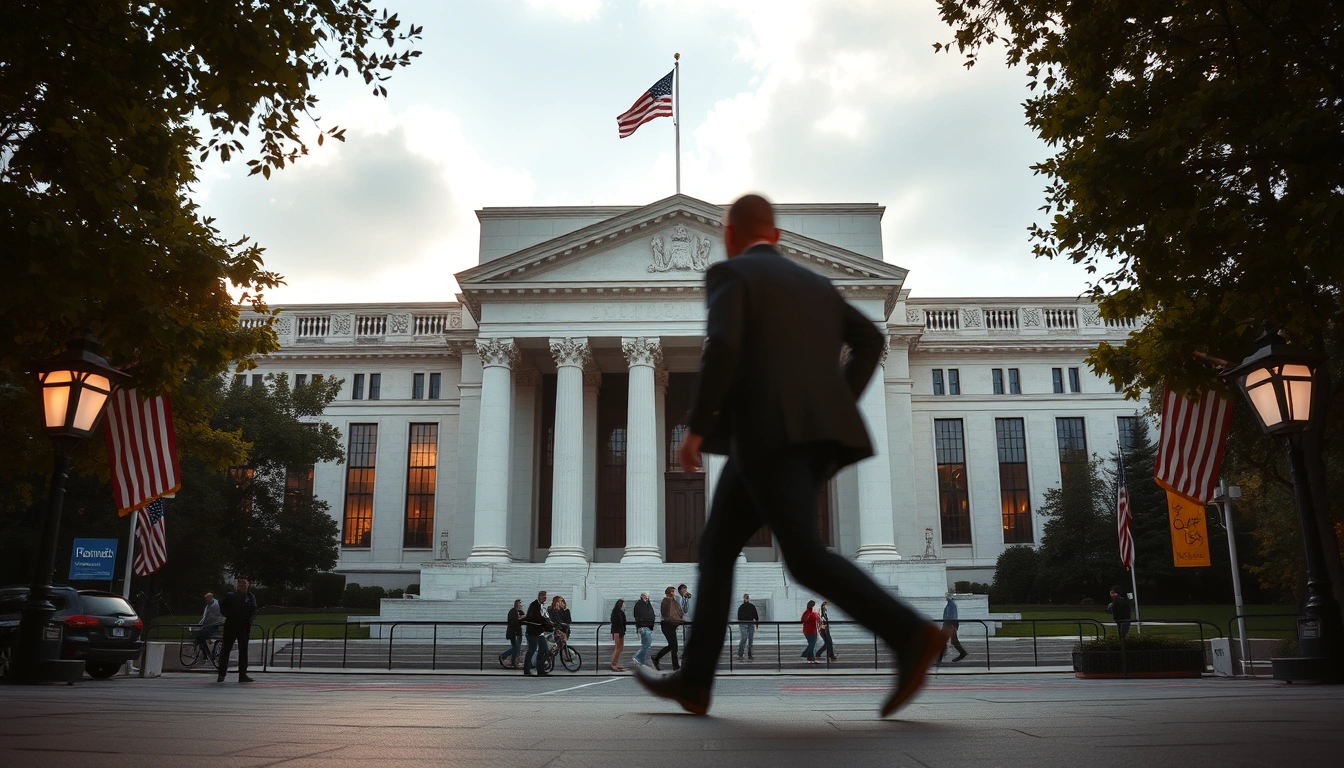
Reserve scarcity is the new policy rate; front-end volatility will persist until the Fed slows QT or introduces a standing repo facility expansion.
US dollar strengthens as reserve scarcity pushes up short-term rates, benefiting dollar-denominated assets and money market funds.
Prolonged reserve scarcity could strain bank liquidity, leading to credit contraction and equity market selloffs.
📄 Read Full Dispatch Intelligence Report (expand)
- What Happened: The Fed's balance sheet runoff has reduced bank reserves to $3.1 trillion, the lowest since 2021, while overnight SOFR spiked to 5.42%, 22 basis points above the IOER, signaling acute reserve scarcity.
- Hidden Mechanism: Reserves are being drained by a combination of quantitative tightening, a $1.6 trillion Treasury cash rebuild, and quarter-end regulatory hoarding, creating a perfect storm for funding markets.
- Capital Transmission: Liquidity is rotating from bank reserves into money market funds and T-bills, pushing short-term rates higher and reinforcing expectations of a December rate hike.
The QT Hangover: Why Reserves Are Draining Faster Than the Fed Expected
Bank reserves have fallen by $1.2 trillion since the Fed began shrinking its balance sheet in 2022. But the recent acceleration—$400 billion in the past three months alone—is not just QT; it's a Treasury cash rebuild. The Treasury has replenished its General Account (TGA) to $750 billion after the debt ceiling resolution, sucking liquidity from the banking system. In plain English, the government is hoarding cash, leaving banks with fewer reserves to grease the wheels of overnight lending. The result: SOFR at 5.42%, well above the Fed's 5.20% IOER, is a flashing red light that reserves are becoming scarce.
Repo Market Tremors: The Canary in the Coal Mine
The overnight repo market is showing signs of stress. The SOFR-IOER spread has widened to 22 basis points, the highest since 2024, as banks scramble for reserves. This is not just a technical glitch; it's a signal that the Fed's ample reserves regime is fraying. Hedge funds and dealers are paying up for cash, and the Fed's standing repo facility is being tapped at record levels. If reserves continue to fall, the Fed may be forced to end QT early or expand its repo operations, a move that would be a stealth form of easing.
Polymarket Bets on a December Hike: Crowd vs. Committee
The prediction market Polymarket is pricing a 69.5% chance of a 25bp rate hike in December, with only 27.5% expecting no change. This contrasts sharply with the Fed's recent dovish commentary, which emphasized patience. But the market is forward-looking: reserve scarcity is tightening financial conditions more than the Fed's policy rate suggests. If SOFR stays elevated, the Fed may be forced to hike to defend its inflation-fighting credibility, or risk a funding crisis. The Polymarket volume of $2 million in the last 24 hours shows traders are putting real money behind this view.
Positioning & Liquidity Map: Who Is Trapped?
Banks with large reserve balances are sitting pretty, earning IOER while lending at higher SOFR. But smaller banks and non-bank financial institutions are caught offside, facing higher funding costs. Hedge funds that rely on repo leverage are also feeling the pinch, as margin calls loom if rates spike further. The marginal buyer of reserves is the Fed, but it's not buying—it's selling. The forced sellers are banks that need to meet LCR requirements, dumping Treasuries and agency MBS to raise cash. The pain trade is higher front-end rates, and the Fed's next move will determine who blinks first.
Forward Scenarios & Probability Matrix
| Scenario | Implied Probability | Key Trigger / Level | Expected Asset Reaction |
|---|---|---|---|
| Base Case | 55% | SOFR-IOER spread stabilizes at 15bp; Fed slows QT but does not hike | 2-year yield falls 10bp; risk assets rally modestly |
| Bullish Tail | 25% | Fed announces early end to QT; reserves stop falling | 10-year yield drops 20bp; equities surge, dollar weakens |
| Bearish Stress | 20% | Reserves fall below $3 trillion; SOFR spikes above 5.6% | Fed emergency repo expansion; short-term rates spike, equities sell off 5% |
Dorian Reed
Computational Econometrician. Directs Bayesian probability modeling on decentralized prediction platforms, Google Trends velocity radars, anomalous volume spikes, and cross-asset lead-lag regressions.