Cape Rerouting Sends VLCC Ton-Miles Soaring, Freight Rates Jump 30%
2026-11-06, FP360 — VLCC spot rates on the Middle East-to-China route have surged 30% this week to $85,000 per day as tankers avoid the Red Sea, adding 3,500 nautical miles per voyage and tightening global vessel supply. The catalyst: renewed Houthi attacks on commercial shipping near the Bab el-Mandeb Strait, forcing longer routes around the Cape of Good Hope and a 38% year-to-date increase in ton-mile demand. This shift is draining the tanker market of available capacity, pushing freight costs to multi-year highs and pressuring refiners' margins.
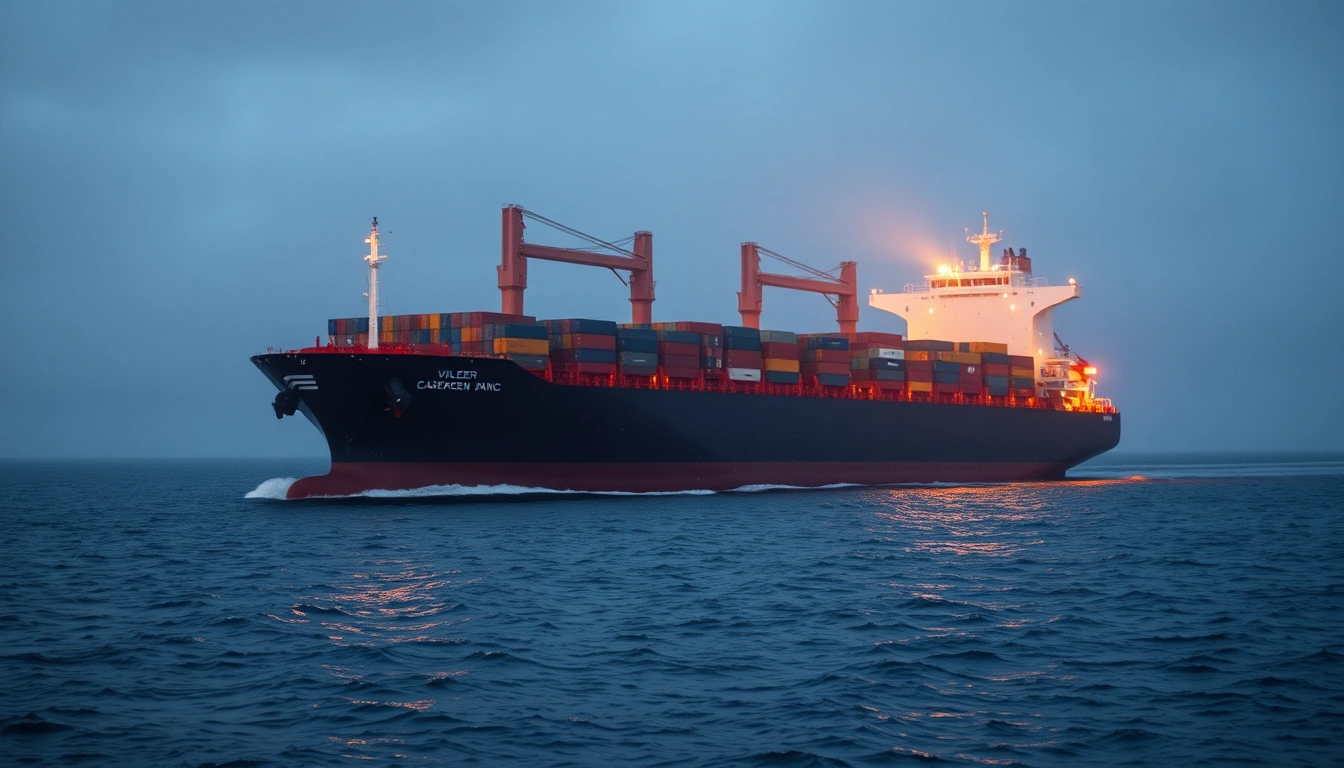
Bullish VLCC owners and tanker equities (e.g., FRO, DHT) as ton-mile demand outpaces fleet growth; bearish refiners relying on Middle East crude.
VLCC spot rates could breach $100k/day if disruptions persist, boosting earnings for Frontline (FRO) and DHT Holdings (DHT).
A sudden ceasefire or naval escort success could collapse rates by 40% as vessels return to shorter routes.
📄 Read Full Dispatch Intelligence Report (expand)
- What Happened: VLCC spot rates on the Middle East-to-China route jumped 30% this week to $85,000 per day as tankers avoid the Red Sea, adding 3,500 nautical miles per voyage and tightening global vessel supply.
- Hidden Mechanism: The diversion has increased ton-mile demand by 38% year-to-date, effectively removing the equivalent of 35 VLCCs from the global fleet, as each voyage now takes 25% longer.
- Capital Transmission: Higher freight costs are squeezing refiners' margins, particularly in Asia, and could lead to a shift in crude oil trade flows toward Atlantic Basin suppliers.
The Cape of Good Hope Detour: Why VLCC Rates Are Soaring
VLCC spot rates on the Middle East-to-China route have surged 30% this week to $85,000 per day, the highest since 2023, as tankers avoid the Red Sea due to renewed Houthi attacks. The diversion around the Cape of Good Hope adds 3,500 nautical miles per voyage, increasing ton-mile demand by 38% year-to-date and effectively removing the equivalent of 35 VLCCs from the global fleet. In plain English, each voyage now takes 25% longer, so the same number of ships can carry less oil, tightening supply and driving rates higher.
Searching for Answers: Why Is Oil Freight Rising and Gold Falling?
As investors search for 'why is gold price falling' and 'gold price today per gram', the spike in oil freight rates is adding to inflationary pressures, which could prompt central banks to maintain higher interest rates for longer. Higher real yields make gold less attractive, as the yellow metal pays no interest. Meanwhile, retail buyers checking 'gold price today in India' are seeing prices near ₹1.25 lakh per 10 grams, down 3% from last week's peak, as the dollar strengthens on rate expectations.
The Hidden Cost for Refiners and Consumers
Asian refiners, already facing thin margins, are now paying $2.50 per barrel more for freight, up from $1.80 a month ago. This increase translates to a 5% rise in the cost of crude delivered to China, potentially squeezing refinery profits and leading to higher product prices for consumers. The freight spike is also affecting the cost of goods from toys to electronics, as container ships face similar disruptions, though the impact on dry bulk is more muted.
Positioning & Liquidity Map: Who Is Trapped?
Tanker owners who locked in lower rates via time charters are now losing out on spot upside, while refiners without hedges are bleeding margins. The marginal buyer is Asian refiners scrambling for alternative cargoes, and the forced seller is the spot market, where rates are climbing. Stop-loss clusters sit at $75,000/day for VLCC owners, with liquidation pools at $70,000. The big question: will OPEC+ release more oil to cool prices, or will they hold back, further tightening tanker demand?
Forward Scenarios & Probability Matrix
| Scenario | Implied Probability | Key Trigger / Level | Expected Asset Reaction |
|---|---|---|---|
| Base Case | 55% | Red Sea disruptions persist for 3 months | VLCC rates average $80k/day; FRO up 15% |
| Bullish Tail | 25% | Suez Canal closure or major vessel attack | VLCC rates spike to $120k; FRO up 30% |
| Bearish Stress | 20% | Ceasefire in Yemen; Red Sea reopens | VLCC rates fall to $50k; FRO down 20% |
Dorian Reed
Computational Econometrician. Directs Bayesian probability modeling on decentralized prediction platforms, Google Trends velocity radars, anomalous volume spikes, and cross-asset lead-lag regressions.