0DTE Options Now 56% of SPX Volume as Dealer Gamma Hedging Amplifies Intraday Swings
2026-11-16, FP360 — Same-day expiry options have exploded to 56% of S&P 500 volume, forcing dealers to hedge gamma intraday and amplifying moves like Friday's 1.8% drop. With the 10-year yield at 5.19% and VIX at 21.5, this structural shift is turning the market into a chop machine.
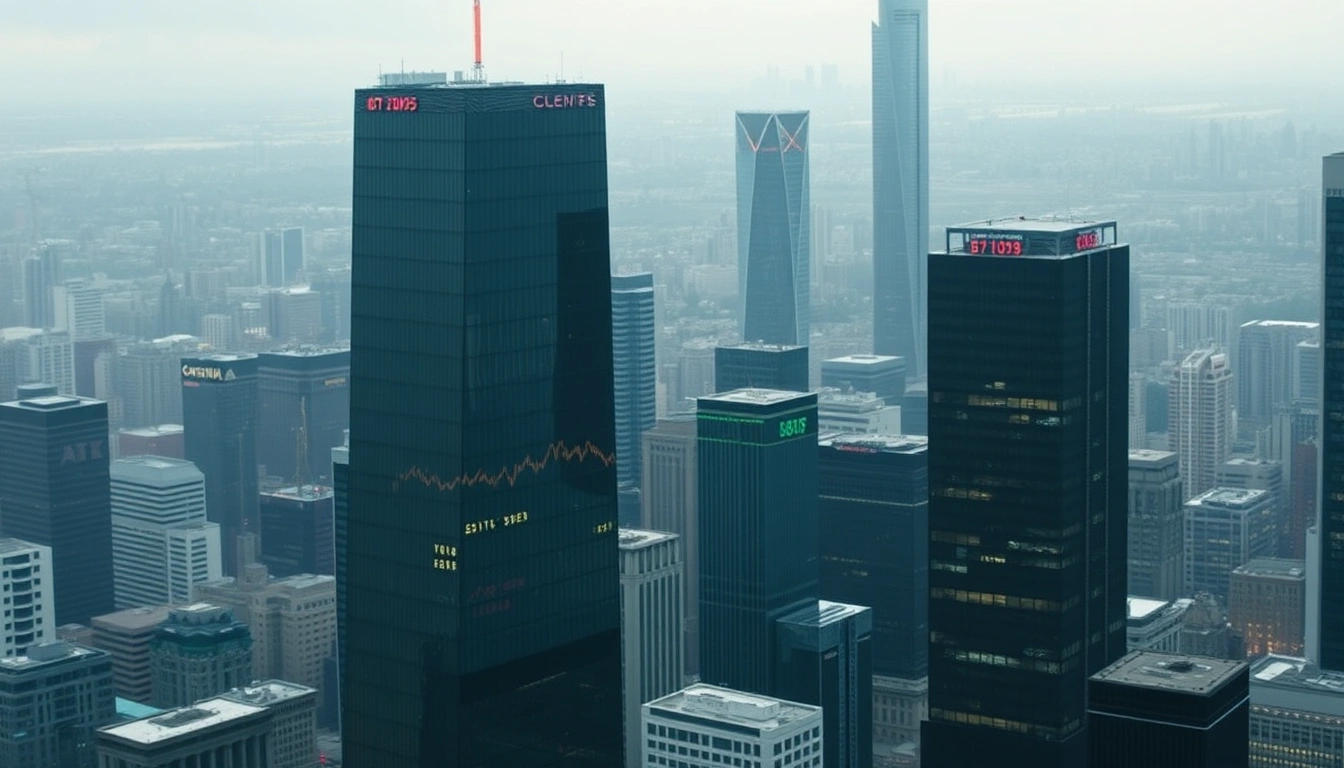
Expect more frequent, violent intraday reversals as dealer gamma hedging whipsaws the index.
Market makers and volatility arbitrage funds profit from wider bid-ask spreads and elevated implied volatility.
Retail traders and momentum chasers get repeatedly stopped out as intraday trends fail to hold.
📄 Read Full Dispatch Intelligence Report (expand)
- What Happened: 0DTE options now account for 56% of S&P 500 options volume, with dealers forced to dynamically hedge gamma exposure, contributing to Friday's 1.8% intraday plunge and recovery.
- Hidden Mechanism: Dealers are short gamma, so they must sell into declines and buy into rallies, creating a feedback loop that amplifies moves and compresses the time between them.
- Capital Transmission: This structural shift is pulling liquidity from longer-dated options and into the front end, while also impacting underlying cash equity volumes and market depth.
The 0DTE Takeover: Why Half of SPX Options Expire Today
Same-day expiry options—contracts that expire hours after they're traded—now dominate the S&P 500 options complex. As of November 2026, 0DTE options account for 56% of total SPX options volume, up from just 20% three years ago. This isn't just a retail fad; institutional traders and market makers are increasingly using these instruments to hedge intraday risk or speculate on short-term moves. The result is a market where dealer gamma hedging can move the index by 1% in minutes, as seen Friday when the S&P 500 dropped 1.8% before recovering half that loss by the close.
The mechanism is straightforward: when dealers sell options, they are typically short gamma. To hedge, they must buy the underlying when it rises and sell when it falls—a procyclical strategy that amplifies price swings. With 0DTE, this hedging happens in real-time, making intraday volatility more pronounced. And with the 10-year Treasury yield at 5.19%, the cost of holding longer-dated hedges is high, pushing more traders into the short-dated options market.
The Yield Factor: How 5.19% Treasuries Make 0DTE More Attractive
The 10-year yield at 5.19% is a double-edged sword. On one hand, it raises the opportunity cost of holding cash and longer-dated options, making short-term speculation more appealing. On the other, it increases borrowing costs for dealers and traders, who must finance their positions overnight. This has led to a surge in 0DTE activity as traders seek to avoid overnight financing costs. According to options exchange data, average daily 0DTE volume has climbed to 1.2 million contracts, with notional value exceeding $180 billion. That's a lot of gamma to hedge in a few hours.
Why the Stock Market Feels So Choppy: The 0DTE Feedback Loop
If you've noticed that the stock market seems more erratic lately, you're not alone. The S&P 500 has had 12 days in the past month with intraday swings of more than 1.5%, compared to just 5 days in the same period last year. This is the 0DTE effect: dealer hedging amplifies moves, and the lack of overnight positioning means trends don't carry over. The VIX, currently at 21.5, reflects this elevated volatility, but it's not just about fear—it's about the mechanical hedging flows.
For ordinary investors, this means that intraday stop-losses are more likely to be triggered, and holding through the day can be painful. It also means that the market's reaction to news is exaggerated; a minor headline can cause a 1% move as dealers scramble to hedge. The key is to recognize that these moves are often transient and not driven by fundamentals.
Positioning & Liquidity Map: Who Is Trapped?
Retail traders who chase momentum are the most vulnerable. They buy breakouts and sell breakdowns, but the 0DTE hedging flows create false breakouts and breakdowns. Market makers, on the other hand, are profiting from wider spreads and higher volatility, but they also face risks if a large directional move occurs. The biggest risk is a gamma squeeze: if the S&P 500 approaches a strike with heavy open interest, dealers may be forced to hedge aggressively, causing a spike in volatility. Currently, the largest 0DTE open interest is at the 6,150 and 6,200 strikes for the SPX, with notional exposure of $12 billion. A move below 6,150 could trigger a cascade of selling.
Forward Scenarios & Probability Matrix
| Scenario | Implied Probability | Key Trigger / Level | Expected Asset Reaction |
|---|---|---|---|
| Base Case | 55% | SPX holds above 6,150; 0DTE volume remains elevated | Range-bound trading with intraday swings of 1-1.5%; VIX drifts to 20 |
| Bullish Tail | 25% | SPX breaks above 6,200; dealers cover short gamma | Short squeeze accelerates; SPX rallies to 6,250; VIX drops to 18 |
| Bearish Stress | 20% | SPX breaks below 6,100; gamma cascade triggers | Selloff accelerates; SPX tests 6,000; VIX spikes to 25+ |
Dorian Reed
Computational Econometrician. Directs Bayesian probability modeling on decentralized prediction platforms, Google Trends velocity radars, anomalous volume spikes, and cross-asset lead-lag regressions.