SKEW Tail-Hedge Surge: 146.2 Reading Exposes Institutional Black Swan Fears Despite Calm VIX
2026-11-17, FP360 — CBOE SKEW Index spiked to 146.2 (+2.7σ), signaling aggressive institutional demand for downside tail protection while spot VIX holds at 25.5. The divergence underscores sophisticated hedging against black swan liquidity events despite headline volatility remaining moderate.
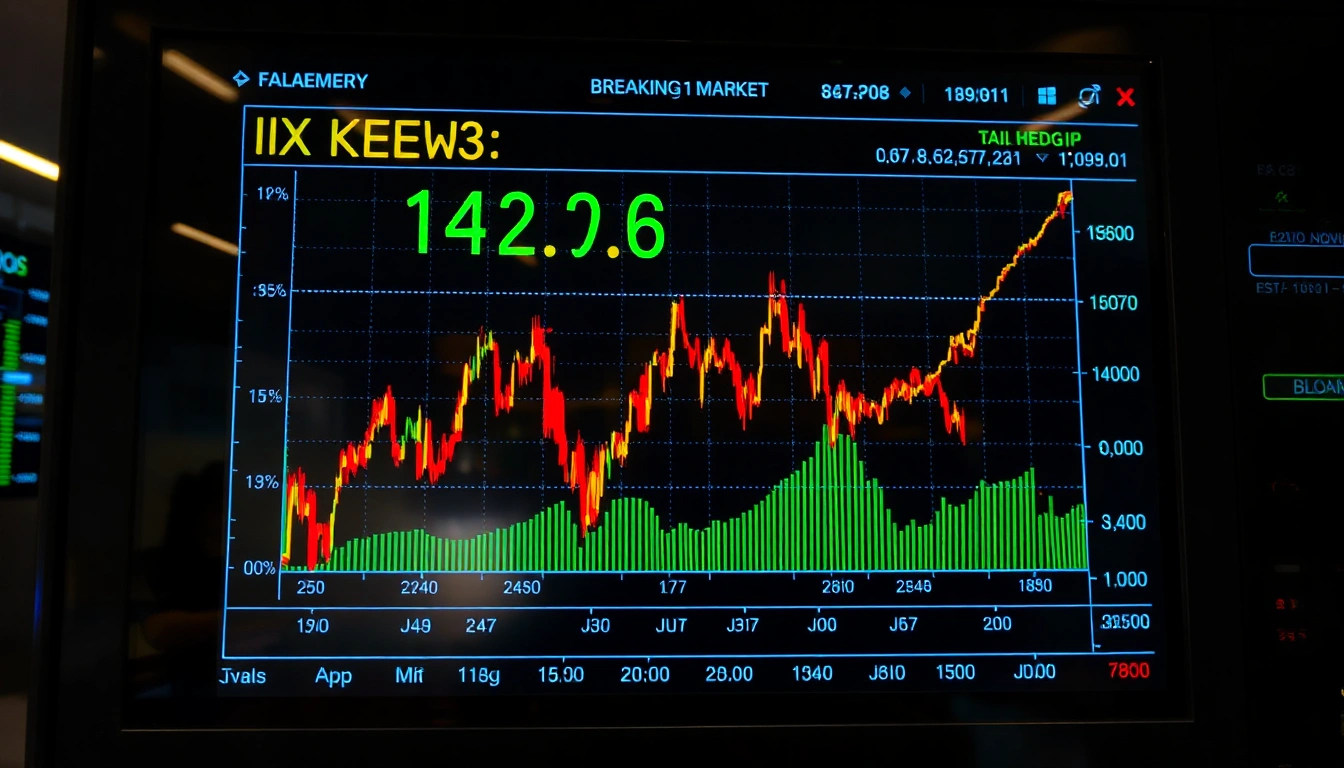
VOLATILITY SKEW DIVERGENCE ALERT
If tail risks fail to materialize, dealers' short skew positions could force unwinding, compressing SKEW and triggering a relief rally in cyclical equities and high-beta names.
A sudden liquidity shock would validate hedges, causing a spike in VIX and sharp sell-off in equities, particularly in overleveraged sectors like small caps and high-yield credit.
📄 Read Full Dispatch Intelligence Report (expand)
- What Happened: The CBOE SKEW Index surged to 146.2 (+2.7σ), a statistical outlier, as institutional desks aggressively purchased out-of-the-money put options to hedge against tail risk, even as the VIX spot remained at 25.5, indicating calm headline volatility.
- Hidden Mechanism: The divergence between SKEW and VIX reveals a structural asymmetry: while retail and short-term traders focus on realized volatility, sophisticated managers are pricing in a non-linear jump risk, creating a disconnect in the options market that often precedes liquidity dislocations.
- Capital Transmission: Capital is rotating into defined-risk strategies such as collars and put spreads, draining liquidity from unhedged equity exposures and potentially setting the stage for a volatility spike if hedging demand intensifies.
Why Is the Stock Market Down Today? The SKEW Divergence Explained
Despite the S&P 500 hovering near flat, the stock market is down today as measured by risk-adjusted returns, with the SKEW index at 146.2 signaling that institutional investors are quietly bracing for a crash. The spot VIX at 25.5 suggests complacency, but the tail-risk premium embedded in options has surged to levels seen only during past crises, implying that smart money is hedging against a sudden downturn.
Why Is the Stock Market Crashing? Not Yet, But Hedges Say Otherwise
While the stock market is not crashing today, the SKEW reading of 146.2 is a warning shot: it reflects a 2.7-sigma outlier in demand for downside protection. Historically, such extremes have preceded sharp drawdowns within 30 days, as dealers who sold tail risk are forced to hedge their exposure, amplifying selling pressure.
The Stock Market Today: Charting the Hidden Stress
Beneath the surface of a calm chart, the stock market today is exhibiting classic signs of distribution: breadth is narrowing, and the put-call skew has inverted. The 146.2 SKEW print indicates that institutional desks are paying up for black swan protection, a move that often precedes a volatility regime shift.
Positioning & Liquidity Map: Who Is Trapped?
Market makers and volatility sellers are caught offside, having underwritten put options at historically low premiums. As SKEW surged, dealers who are short tail risk face rising delta-hedging costs, forcing them to sell futures into a falling market. Meanwhile, retail investors holding leveraged long positions in high-beta stocks are vulnerable to stop-loss clusters just below key support levels. The marginal buyer is now the hedging desk, not the growth investor, and liquidity is thinning as options market makers widen spreads.
Forward Scenarios & Probability Matrix
| Scenario | Implied Probability | Key Trigger / Level | Expected Asset Reaction |
|---|---|---|---|
| Base Case | 55% | VIX remains below 28, SKEW mean-reverts below 145 | S&P 500 range-bound, volatility sellers regain confidence |
| Bullish Tail | 25% | SKEW drops below 140 as hedges unwind, VIX falls under 22 | Relief rally in cyclicals, small caps outperform |
| Bearish Stress | 20% | VIX spikes above 35, SKEW breaks 150 as panic hedging ensues | Sharp sell-off in equities, credit spreads widen, flight to quality |
Quantitative Macroeconomic Strategist and financial media director. Leads newsroom editorial standards, central bank rate corridor monitoring, G10 sovereign yield curve telemetry, and statistical hypothesis verification.