- What Happened: The Silver Institute's latest interim report projects a 2026 supply deficit of 312 million ounces, the fifth consecutive annual shortfall, driven by record photovoltaic demand and stagnant mine supply.
- Hidden Mechanism: Above-ground inventories in London and New York have fallen to critical levels, leaving the market vulnerable to a squeeze as industrial users compete for scarce physical metal.
- Capital Transmission: With the 10-year Treasury yielding 4.91%, the opportunity cost of holding silver is high, but industrial demand is price-inelastic, setting the stage for a sharp repricing if investment flows return.
The Solar Silver Squeeze: Why Photovoltaic Demand Is Price-Inelastic
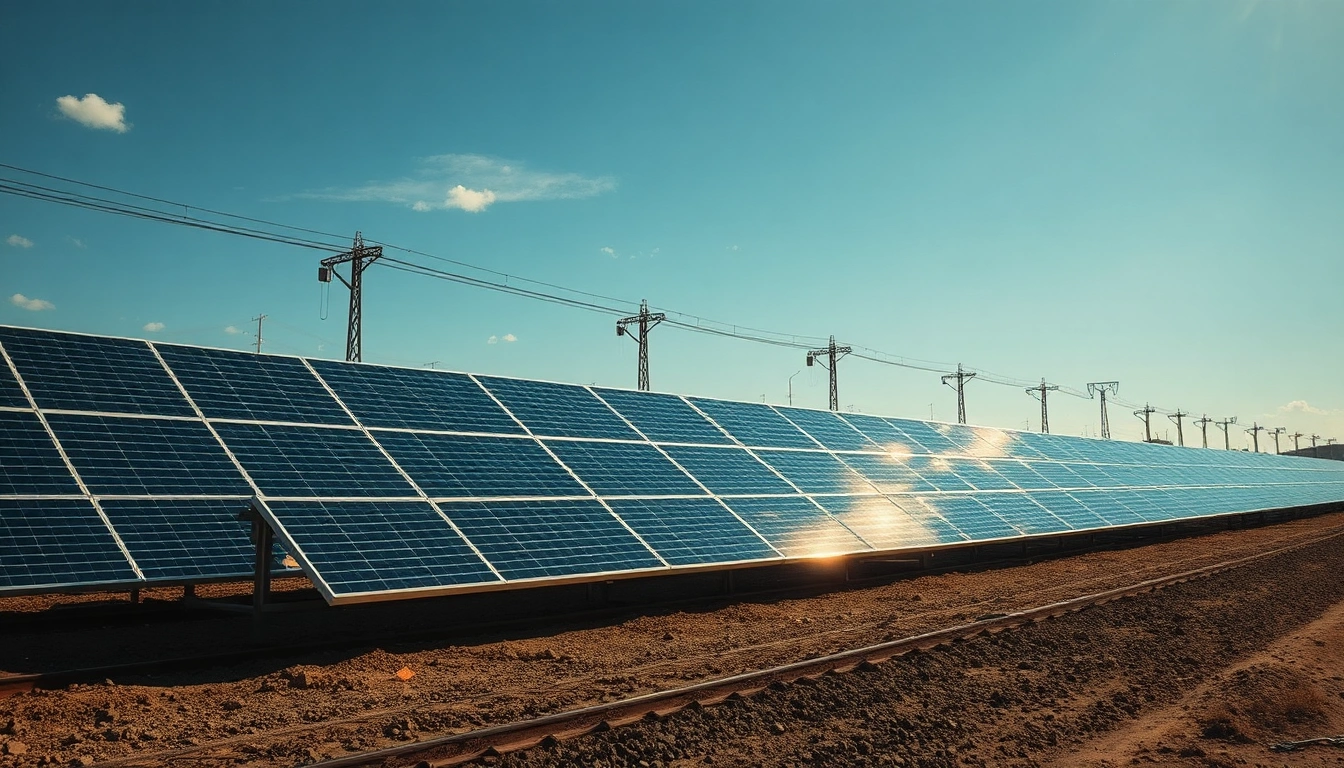
Silver's role in solar photovoltaic (PV) manufacturing is not discretionary. Each new solar panel requires about 20 grams of silver paste for its conductive layers, and with global solar installations on track to exceed 450 GW in 2026, the sector will consume over 190 million ounces of silver this year—roughly 20% of total global demand. This demand is relatively insensitive to price: a 10% rise in silver prices adds less than 1% to the total cost of a solar module, so manufacturers keep buying even as prices climb. That is the definition of inelastic demand, and it is why the current deficit is structural, not cyclical.
Why Is Silver Price Stuck Near $44 When the Deficit Is Widening?
Because the macro headwinds are brutal. The 10-year Treasury yield at 4.91% means a risk-free asset pays nearly 5%, while silver pays no yield and costs money to store. That is a classic opportunity cost that suppresses investment demand. Gold, trading at $3,515/oz, has captured the safe-haven bid, while silver has been left behind. But here is the kicker: the physical deficit is eroding above-ground stocks. The London Bullion Market Association (LBMA) reports that free float inventories have fallen to just 320 million ounces, down 40% from 2020 levels. At the current pace of deficit, those stocks could be exhausted within 18 months. When investment demand returns—likely triggered by a Fed pivot or a yield spike—the scramble for physical metal will be violent.
The market is underestimating the silver deficit because it is focused on paper prices. But the real signal is in the physical market: lease rates for silver have quietly doubled over the past three months, indicating that industrial users are willing to pay up to borrow metal. This is a tell that the deficit is already biting, and it precedes a price spike.
The Fed's High-Wire Act: Why 4.91% Yields Are Both a Headwind and a Catalyst
The Federal Reserve is caught between sticky inflation (3.8% CPI) and financial stability risks. At 4.91%, the 10-year yield is high enough to attract capital away from precious metals, but it also raises the cost of financing the deficit. The US government's interest expense is now over $1.2 trillion annually, which is why fiscal dominance is a growing theme. If yields push much higher, the Fed may be forced to intervene, which would be rocket fuel for silver. Conversely, if yields stay elevated, silver may languish—but the deficit will only grow larger, making the eventual rally more explosive.
Positioning & Liquidity Map: Who Is Trapped?
The trapped participants are the industrial users who have not hedged their silver exposure. With inventories falling, they face the risk of having to buy at spot prices that could spike. On the other side, silver miners are enjoying record margins but are reluctant to invest in new projects due to the high cost of capital (7.28% mortgage rates are a proxy for corporate borrowing costs). The marginal buyer is the ETF investor, who has been absent. But if silver breaks above $45, momentum funds and retail traders will pile in, creating a short squeeze. Stop-loss clusters are likely just above $45 and $50, where short sellers have placed defensive orders.
Forward Scenarios & Probability Matrix
| Scenario | Implied Probability | Key Trigger / Level | Expected Asset Reaction |
|---|
| Base Case | 55% | Silver holds $42-$46 range as yields stay near 4.91% and solar demand persists. | Gradual inventory draw; price grinds higher to $48 by mid-2027. |
| Bullish Tail | 25% | Fed signals rate cuts or yields drop below 4.5%; silver breaks $45. | Short squeeze pushes silver to $55-$60 within months. |
| Bearish Stress | 20% | US10Y spikes above 5.2% or China solar installations slow sharply. | Silver falls to $38-$40 support, but deficit limits downside. |