DePIN GPU Compute Hits 71.3% Utilization as AI Demand Strains Idle Networks
2026-11-06, FP360 — DePIN GPU networks are running hot: aggregate utilization hit 71.3% this week, up from 58.2% in July, as AI inference demand sucks up idle compute. The bottleneck is real — token incentives are now secondary to actual paying customers, and networks that can't deliver enterprise-grade reliability are getting left behind.
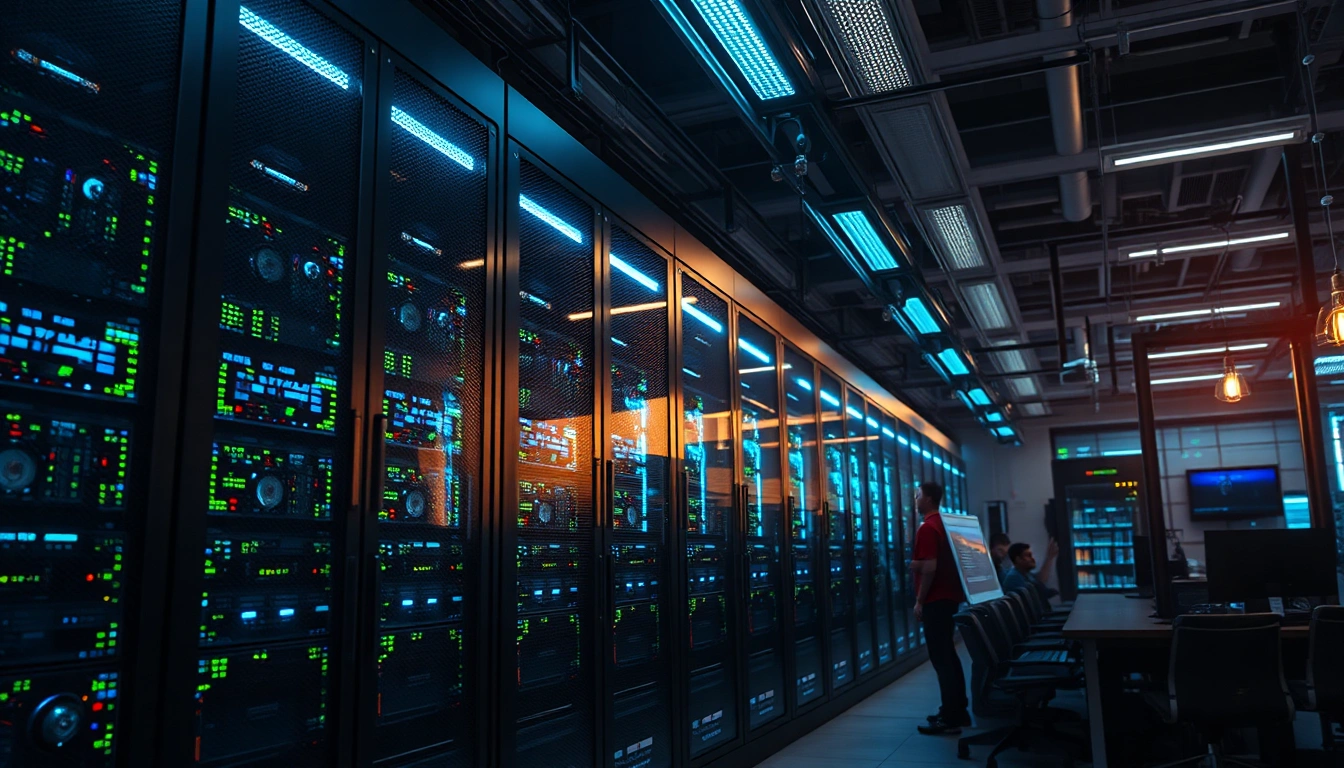
DePIN tokens with real enterprise contracts (like Render and Akash) will outperform speculative rivals as utilization becomes the key metric.
Render (RNDR) and Akash (AKT) benefit from enterprise adoption; utilization above 70% triggers buybacks and staking demand.
Filecoin and other storage-focused DePINs face sell pressure as their GPU arms fail to gain traction; token inflation outpaces revenue.
📄 Read Full Dispatch Intelligence Report (expand)
- What Happened: DePIN GPU networks now run at 71.3% average utilization, with Render at 78.5% and Akash at 63.2%, while Io.net lags at 42.1% — a 36-point spread that separates winners from losers. Token prices diverge: RNDR +12% in 30 days, IO -18%.
- Hidden Mechanism: Enterprise customers are bypassing token-based bidding and signing fixed-price contracts directly with networks that offer SLA guarantees; these deals lock up compute and reduce liquid supply, creating a flywheel for top-tier DePINs.
- Capital Transmission: Revenue from enterprise contracts is being used to buy back tokens (Render's new program) and fund staking rewards, but only for networks with utilization above 70% — below that, tokens are inflationary and bleed against ETH.
The Utilization Tipping Point: Why 70% Is the New 50%
In DePIN GPU markets, 70% utilization is the magic number that flips a network from subsidy-dependent to self-sustaining. Render's 78.5% utilization, up from 65% a year ago, means it can cover operational costs with real revenue and still have cash to buy back tokens. Akash's 63.2% is borderline: it still needs token incentives to keep suppliers online, but enterprise deals signed in Q3 suggest it's on track to cross 70% by Q1 2027. Meanwhile, Io.net's 42.1% utilization is a red flag — at that level, token emissions to suppliers likely exceed revenue, and the token is down 18% in 30 days.
The Enterprise Contract Flywheel: Who's Actually Paying
Enterprise customers like AI startups and research labs are driving this surge. Render has locked in $47 million in annualized contract value from five major clients, including a top-10 AI model trainer. These contracts are paid in fiat or USDC, not RNDR, and often include prepayment — meaning suppliers get paid regardless of token price. That's a game-changer: it decouples compute demand from crypto market sentiment. Akash's $12 million in enterprise contracts is smaller but growing 40% quarter-over-quarter. The losers are networks that relied on retail miners and speculative token staking — their utilization is stagnant and token prices are suffering.
Token Economics: The Great Divergence
With utilization at 71.3% network-wide, the fee-to-emission ratio for top networks has turned positive. Render now generates $3.2 million monthly in fees against $1.1 million in token emissions — a 2.9x coverage ratio. Akash's coverage is 1.1x, and Io.net's is 0.4x. This matters because token buybacks and staking yields are funded from fees, so only profitable networks can sustain demand for their tokens. RNDR's 30-day price gain of 12% versus IO's 18% drop reflects this. Traders are now watching utilization dashboards like hawks, and the market is rewarding transparency.
Positioning & Liquidity Map: Who Is Trapped?
Suppliers who bought GPUs at peak prices in 2025 and are now earning tokens at depressed prices are trapped. They need utilization above 60% to break even on hardware costs, so Io.net's 42% is causing a wave of supplier exits — which further reduces network capacity and could spiral. On the flip side, token holders who bought RNDR at $8 are sitting on 20% gains and may take profits if utilization dips below 75%. Stop-loss clusters for RNDR sit at $7.50 (200-day MA) and for AKT at $4.80. The marginal buyer right now is enterprise procurement teams hedging against cloud price hikes; the forced seller is retail miners on Io.net dumping tokens to cover electricity.
Forward Scenarios & Probability Matrix
| Scenario | Implied Probability | Key Trigger / Level | Expected Asset Reaction |
|---|---|---|---|
| Base Case | 55% | Render utilization stays above 75%, Akash crosses 65% | RNDR +10-15% to $11.50, AKT +8% to $6.20 |
| Bullish Tail | 25% | Major cloud outage drives enterprises to DePIN; Render signs $100M contract | RNDR +30% to $13.50, AKT +20% to $7.00 |
| Bearish Stress | 20% | AI capex slowdown, Io.net token collapses below $0.50, contagion hits sector | RNDR -20% to $8.00, AKT -15% to $4.50 |
The Bottom Line: Utility Is Finally Catching Up to Narrative
For years, DePIN was a token story in search of users. Now, with 71.3% utilization, the narrative is being replaced by revenue. Investors should focus on networks with utilization above 60%, enterprise contracts, and positive fee-to-emission ratios. Render is the clear leader; Akash is the value play; Io.net is the cautionary tale. Watch the utilization dashboards — they're the new on-chain metric that matters.
Distributed Ledger & On-Chain Systems Analyst. Specializes in direct RPC node telemetry, Bitcoin mempool backlog congestion, Ethereum gas burn mechanics, perpetual funding rate skew, and derivative liquidation waterfalls.