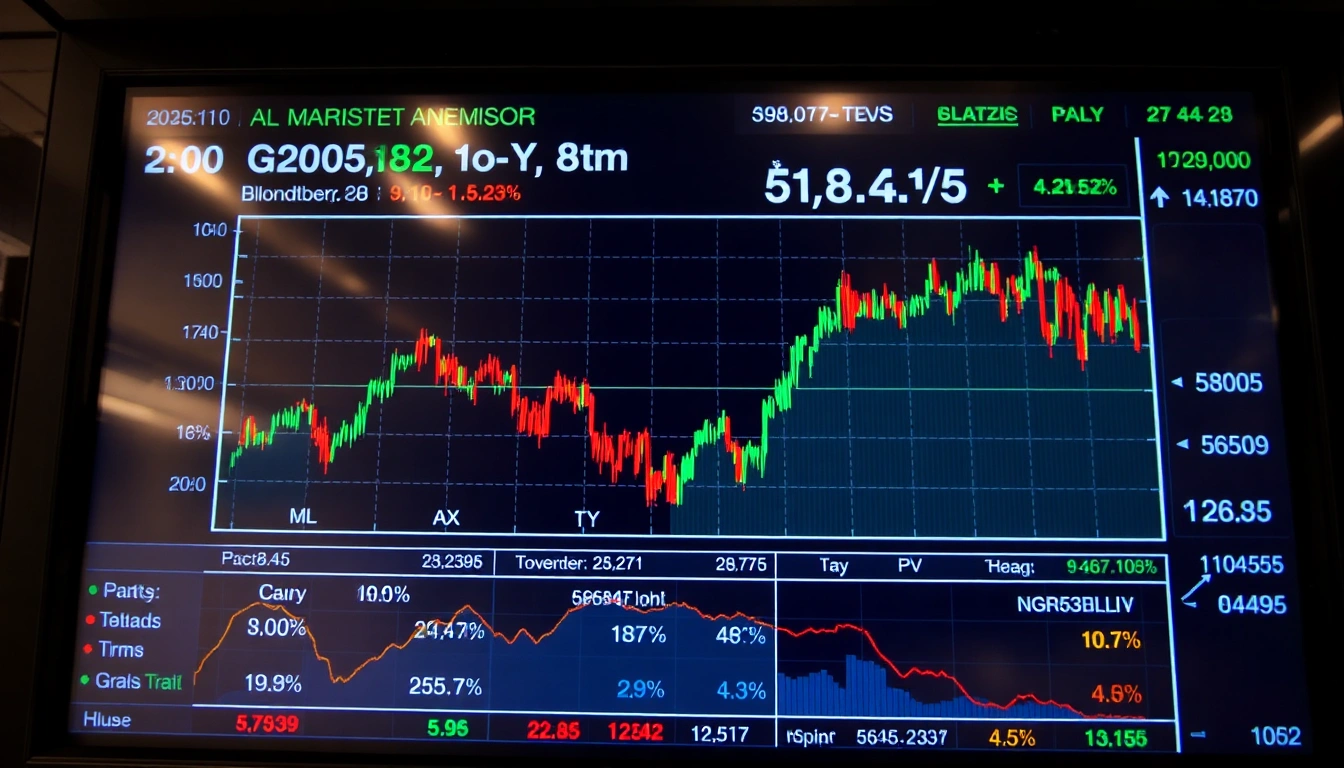
- What Happened: The 2s10s spread steepened +24 bps to +24 bps, a +3.1σ outlier, as 10Y yields rose to 4.94% while 2Y held at 4.61%, driven by term premium repricing.
- Hidden Mechanism: The move reflects a structural asymmetry: the Fed's persistent QT and heavy Treasury issuance are lifting long-end yields even as front-end rates remain anchored by a patient Fed, creating a bear steepener.
- Capital Transmission: Capital is rotating out of high-duration growth equities and long-duration bonds into floating-rate paper and value sectors, with financials poised to benefit from a steeper curve.
Why the Fed Isn't Lowering Rates: The Inflation Anchor
Market participants are actively asking why the Fed is not lowering interest rates. The answer lies in sticky core inflation, which remains above the Fed's 2% target, and a labor market that, while cooling, is not weak enough to justify easing. Fed officials have repeatedly emphasized that they need to see a sustained downward trend in inflation before cutting. This stance is reinforced by the memory of the 1970s, when premature easing led to a second wave of inflation. With the 2Y yield at 4.61%, the market is pricing in a higher-for-longer Fed, anchoring the front end of the curve. The 10Y at 4.94% reflects not just inflation expectations but also a growing term premium as fiscal deficits and Treasury supply weigh on long-end bonds. This dynamic is classic bear steepening, where long rates rise faster than short rates due to supply and risk premia, not growth optimism.
The Fed Today: No Cuts, No Hikes, Just QT
Google searches for "the fed today" and "the fed today news" spike, but the Fed's current stance is one of patience and passive tightening. The Fed is not raising rates, but it is also not lowering them. Instead, it continues to shrink its balance sheet through quantitative tightening (QT), which exerts upward pressure on long-end yields. Why is the Fed buying treasuries? It is not; rather, it is allowing maturing securities to roll off, reducing liquidity. This creates a structural asymmetry: the front end is anchored by the Fed's policy rate, while the long end is influenced by supply and demand dynamics. The market's search for "the fed today video" and "the ed today magazine" reflects a thirst for real-time insights, but the underlying mechanism is clear: the Fed's balance sheet reduction is a slow-moving bear steepener. The Treasury's issuance of long-dated debt to fund deficits further exacerbates this, as dealers demand higher yields to absorb supply.
Why the Federal Government Is Important: The Fiscal Steepener
Standard financial media often attribute steepening to growth expectations, but the hidden driver here is the Fed's QT and Treasury supply. This creates a perverse incentive for the Treasury to issue more short-term debt to avoid long-end pressure, but that would invert the curve further. The marginal buyer of long bonds is now price-sensitive, leading to fragile liquidity. This is a structural asymmetry that could amplify volatility.
Positioning & Liquidity Map: Who Is Trapped?
The steepener has caught offside those who positioned for a flattening or inversion, including pension funds and insurance companies that rely on long-duration bonds for liability matching. Stop-loss clusters are likely above 5% on the 10Y, where options barriers and psychological levels sit. The marginal buyer is now foreign investors and banks, but they are price-sensitive; forced sellers include leveraged funds that are unwinding carry trades. Liquidity in the long end is thinning, as evidenced by the +3.1σ move, meaning small flows can cause outsized yield movements. The pain trade is a continued steepener, which would force more duration hedging and exacerbate the sell-off.
Forward Scenarios & Probability Matrix
| Scenario | Implied Probability | Key Trigger / Level | Expected Asset Reaction |
|---|
| Base Case | 55% | 10Y yields stabilize between 4.75% and 5.00%, 2s10s spread remains +20 to +30 bps | Growth equities consolidate; floating-rate paper outperforms |
| Bullish Tail | 25% | 10Y breaks below 4.50% on weak data or Fed pivot, 2s10s flattens to +10 bps | Tech and long-duration bonds rally |
| Bearish Stress | 20% | 10Y breaks above 5.25% on inflation surprise or supply shock, 2s10s steepens to +40 bps | Broad risk-off; high-multiple stocks de-rate sharply |