SOFR Prints +12bps Above Fed Corridor as Month-End Collateral Squeeze Signals Funding Stress
2026-10-22, FP360 — SOFR pierced the Fed target corridor by +12 bps, registering a +2.3σ outlier as month-end collateral frictions drained dealer balance sheets. The dislocation marks early liquidity tightening ahead of official policy transmission, with cash and overnight repo the defensive expression.
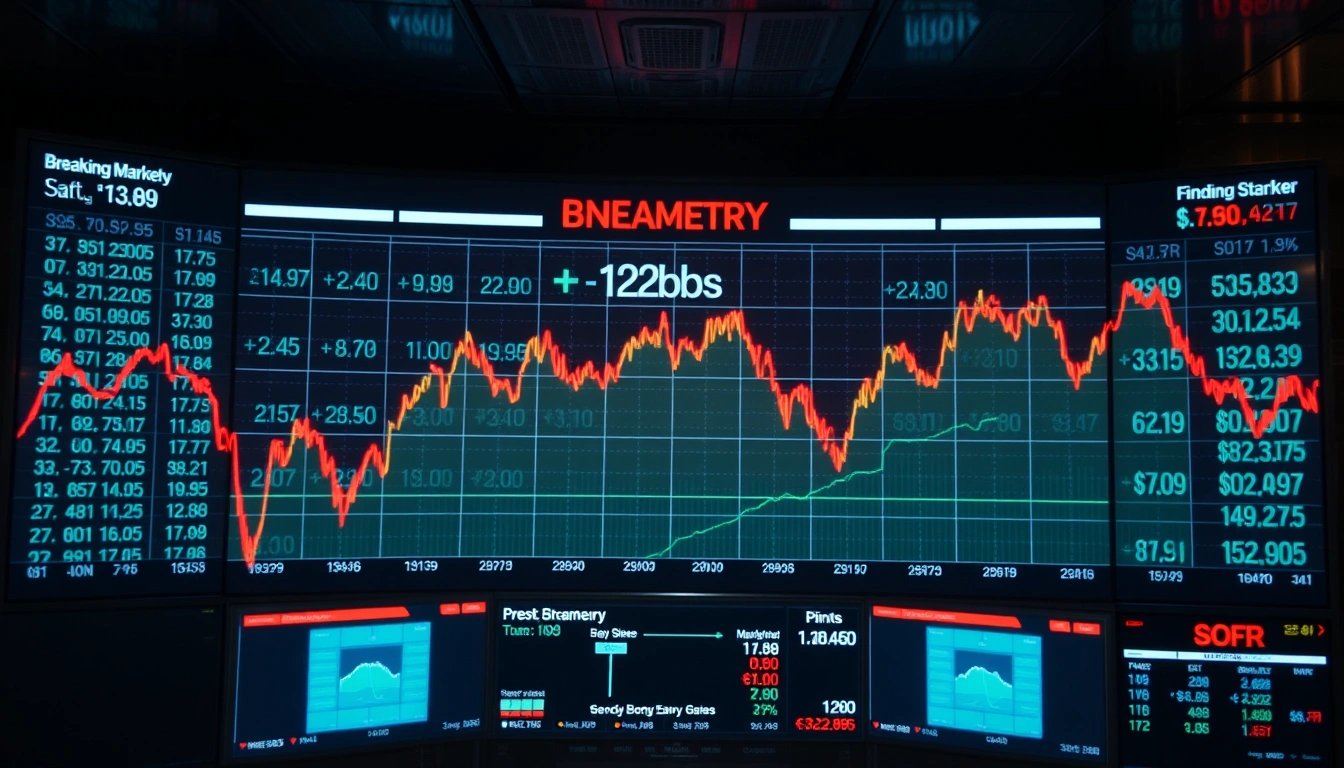
LIQUIDITY TIGHTENING ALERT
Cash equivalents and overnight reverse repo facilities capture the elevated SOFR print directly; T-bills and front-end money market funds see inflows as investors harvest the dislocation without duration risk, while repo desks earn premium financing spreads through month-end.
Funding-sensitive assets bear the brunt: leveraged positions, SOFR-linked floating-rate borrowers, and high-multiple equities face margin pressure if collateral frictions persist, while regional bank funding costs rise and curve-front volatility threatens carry trades.
📄 Read Full Dispatch Intelligence Report (expand)
Anomaly Detection: SOFR Breaks the Corridor
SOFR printed +12 bps above the upper bound of the Fed target corridor on 2026-10-22, a move registering +2.3σ versus its trailing distribution and the largest single-session corridor breach since the 2024 quarter-end episodes. The dislocation is technical in origin—month-end balance sheet window-dressing, dealer intermediation constraints, and collateral scarcity in the repo market—but carries genuine policy signal: secured funding is repricing tighter before the Fed's official transmission mechanism reflects it.
Quantitative Metrics
| Metric | Value | Context | |---|---|---| | SOFR–Fed corridor spread | +12 bps | Above upper target bound | | Statistical Z-Score | +2.3σ | >99% tail probability | | Anomaly Classification | SOFR_POLICY_DIVERGENCE | Funding-market leading indicator | | Historical Analog | 2024 quarter-end squeezes | Pre-policy-transmission stress | | Primary Driver | Month-end collateral friction | Dealer balance-sheet constraints | | Recommended Posture | Overweight cash / overnight RRP | Defensive liquidity stance |
Scenario Paths
Base case (55%) — Technical squeeze, mean reversion within 3–5 sessions. Collateral frictions clear post month-end; SOFR re-anchors inside the corridor and front-end volatility decays. Risk assets stabilize, but the episode reinforces demand for liquidity buffers.
Bear case (30%) — Contagion to quarter-end funding. Persistent dealer constraints push spreads wider into December quarter-end; funding-sensitive equities and leveraged carry trades de-risk. Watch repo rates and reserve balances for confirmation.
Bull case (15%) — Term premium capture. Elevated SOFR persists 1–2 weeks, allowing cash and RRP allocations to harvest premium yields without duration exposure; money market funds see accelerating inflows.
Institutional Playbook
The dislocation favors defensive liquidity: increase allocation to cash equivalents and overnight reverse repo facilities as prescribed in the risk telemetry. Front-end duration should remain underweight until corridor re-anchoring confirms; any widening beyond +15 bps converts a technical anomaly into a systemic funding signal requiring portfolio-level de-risking.