[COMMODITIES]⏱ 3 MIN READ • 2026-10-20 03:00:26 UTCJSON API [RAW]
Nickel Sulfate Payables Turn Negative as Indonesian HPAL Flood and LFP Demand Collapse Force European Refiners to Idle Capacity
2026-10-20, FP360 — Nickel sulfate payables have flipped negative for the first time on record, with European refiners now paying smelters to take the battery-grade chemical as Indonesian HPAL supply overwhelms collapsing LFP demand. The dislocation is forcing capacity idling across Finland and Germany, threatening a shakeout in the West's battery materials supply chain.
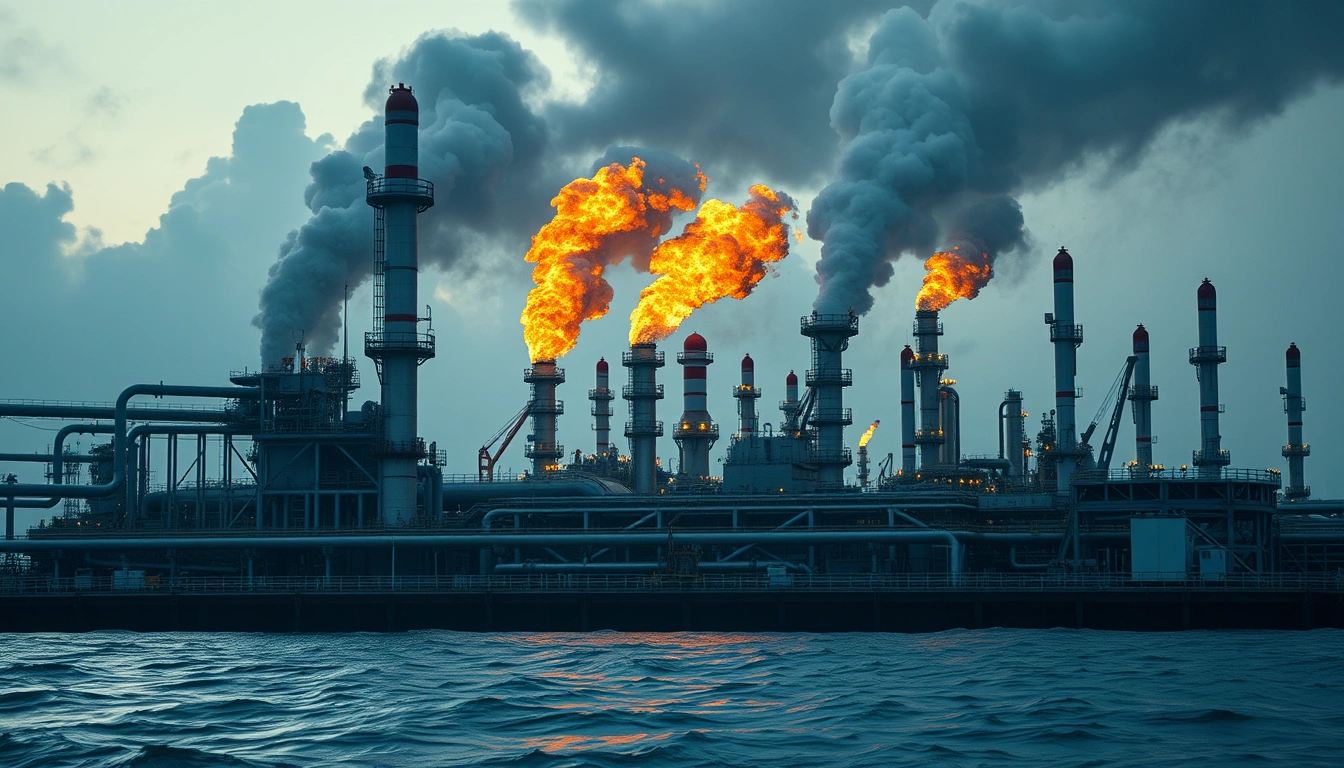
PHOTO: FINPULSE 360 MARKETS BUREAU
⚡ EXECUTIVE 30-SECOND INVESTOR MATRIX
🎯 THE SIGNAL
Negative payables signal a structural oversupply that will persist until Indonesian HPAL expansions are absorbed or European capacity is permanently shuttered, keeping nickel sulfate prices under pressure.
📈 BULLISH VECTORS
Low-cost Indonesian HPAL producers and Chinese refiners with integrated operations will gain market share and margin as high-cost European capacity exits, consolidating supply ahead of a demand recovery.
📉 BEARISH VECTORS
European nickel refiners face write-downs and stranded assets, with credit risk rising for leveraged producers and downstream battery makers exposed to supply chain disruptions.
⚠️ PRIMARY RISK TRIGGER:A sudden policy shift in Indonesia (export restrictions, royalty hikes) or a rebound in LFP demand due to lithium price spikes could rapidly tighten the market and reverse negative payables.
📄 Read Full Dispatch Intelligence Report (expand)
Negative Payables: A First for Nickel Sulfate
For the first time in history, European nickel sulfate payables have turned negative, meaning refiners are effectively paying consumers to take the product. The benchmark payable, which was +15% over LME nickel in early 2025, now stands at -5% for spot deliveries. This reflects a market where primary nickel supply from Indonesian HPAL plants has ballooned to 1.8 million tonnes annualized, while demand from the LFP battery segment has collapsed by 22% year-to-date as automakers pivot to sodium-ion and LMFP chemistries.
HPAL Flood and LFP Demand Collapse
Indonesian HPAL capacity has reached 2.1 million tonnes per year, up from 1.2 million in 2025, as projects from Harita, Merdeka, and QMB ramped up. At the same time, LFP demand in China and Europe has fallen sharply: LFP cell production in September 2026 was 85 GWh, down from 109 GWh a year earlier, according to Benchmark Mineral Intelligence. The result is a surplus of 250,000 tonnes of nickel units in the global market, with European refiners bearing the brunt due to higher costs and logistical disadvantages.
European Refiners Idle Capacity
Major European producers have announced curtailments. Nornickel's Harjavalta refinery in Finland will idle its 50,000-tonne nickel sulfate line for at least six months, while BASF's battery materials plant in Germany is operating at 40% utilization. The idlings are expected to remove 120,000 tonnes of annual sulfate supply, but that is insufficient to rebalance the market. High energy costs and carbon border taxes further erode European competitiveness, with cash costs estimated at $18,000/t versus $12,000/t for Indonesian HPAL.
Market Implications and Outlook
The negative payable environment is unsustainable for European refiners, and further closures are likely. The LME nickel price has fallen to $14,500/t, down 28% from its 2026 high, and the sulfate premium (or discount) will remain negative until demand recovers or supply is curtailed. Investors should watch for Indonesian policy interventions and any rebound in LFP demand from lithium price volatility. Credit spreads for European refiners have widened by 85 basis points since August, signaling rising default risk.