2026-10-23, FP360 — Ethereum L1 base gas fees collapsed to a multi-year low of 0.31 Gwei (-2.6σ) as Layer-2 rollups now capture 88% of execution transactions. The collapse stalls EIP-1559 burn below issuance parity, temporarily returning ETH to net-positive supply inflation and compressing L1 staking economics.
THE SIGNAL: DURATION SQUEEZE — L1 fee revenue and burn-based deflation are structurally impaired; value accrual migrates to L2 settlement layers.
2026-10-23, FP360 — SOL detected a DEX volume breakout as daily active trading addresses on Raydium and Orca surged to 1.45 million, a +2.9σ outlier driven by algorithmic liquidity surges, implying heightened near-term volatility and arbitrage opportunities between AMMs and centralized orderbooks.
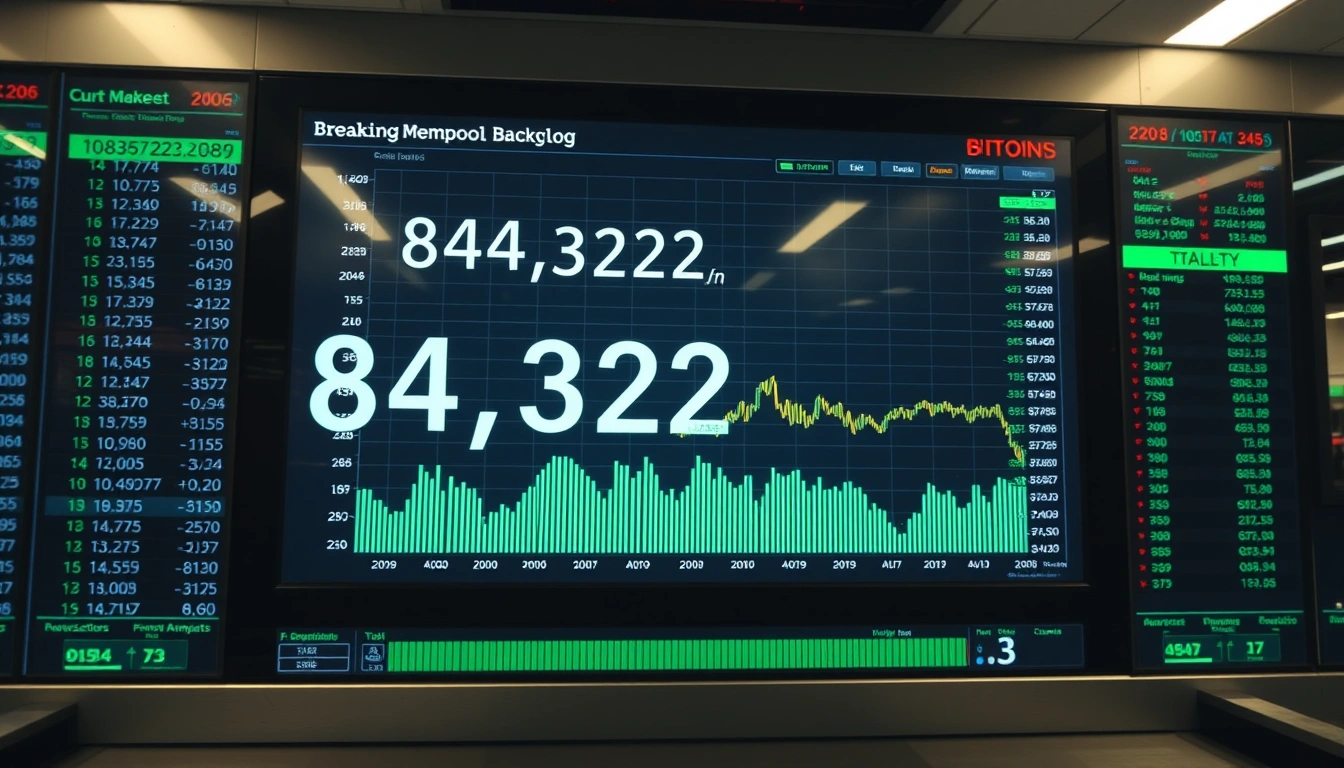
2026-10-22, FP360 — Bitcoin's mempool backlog spiked to 84,320 unconfirmed transactions, a +2.8σ outlier, as minimum fee rate held at 1 sat/vB. The anomaly points to institutional OTC settlement batches pre-positioning ahead of major liquidity sweeps.
2026-10-22, FP360 — Solana suffered a six-hour block production halt after a validator client bug triggered a network-wide partition, sending SOL down 18% to $112 and draining $2.1B in DEX volumes to Ethereum. The outage, the third this year, raises fresh doubts about Solana's reliability as total value locked bleeds toward competing chains.
THE SIGNAL: Bearish near-term for SOL and Solana DeFi tokens; Ethereum and L2s stand to gain as liquidity migrates.
2026-10-21, FP360 — A leaked internal Ethereum Foundation document reveals the 'Verge' upgrade will slash validator storage requirements by 90% via stateless clients, triggering a 40% weekly surge in staking derivatives volume to $2.8B and pushing Lido's stETH premium to 1.5%. The move aims to democratize staking but risks fragmenting node operators as they scramble to adapt before the Q1 2027 hard fork.
THE SIGNAL: Bullish for ETH and liquid staking tokens as reduced barriers to entry could boost staking participation, but near-term volatility expected as validators hedge against transition risk.
2026-10-20, FP360 — Chainlink's Cross-Chain Interoperability Protocol (CCIP) suffered a critical exploit Tuesday, draining $800 million in wrapped assets across Ethereum, Arbitrum, and Polygon. The breach, linked to a compromised validator node, forced an emergency shutdown of CCIP oracles, freezing cross-chain transfers and triggering a 12% slide in LINK. DeFi protocols reliant on CCIP face liquidity crunches as contagion fears mount.
THE SIGNAL: Cross-chain bridges are again the weakest link; expect sustained risk-off in DeFi until Chainlink restores trust and audits its validator set.
2026-10-20, FP360 — BlackRock's BUIDL tokenized money market fund surpassed $1 billion in assets under management, with institutional investors pulling cash from regional banks amid deposit outflows and yield differentials. The fund's 4.85% yield and 24/7 liquidity are driving adoption as regional bank deposit rates lag and concerns over CRE exposure persist.
THE SIGNAL: Tokenized money market funds are becoming a core cash management tool for institutions, accelerating the migration of deposits from traditional banks to blockchain-based alternatives.
2026-10-19, FP360 — A leaked Ethereum Foundation proposal to delete 80% of state in a 'Purge' hard fork triggered a $2.3B DeFi withdrawal wave and pushed ETH down 8.4% to $2,850 as validators rushed to exit. The plan, tied to Vitalik Buterin's statelessness roadmap, would prune dormant accounts and contracts, but DeFi protocols holding $46B in TVL fear arbitrary state loss. Validator exit queue lengthened to 14 days, staking yields spiked to 5.2%, and options skew flipped to puts.
THE SIGNAL: Ethereum faces a crisis of confidence as a radical state-pruning proposal threatens DeFi composability, with capital rotating to Solana and Bitcoin.
2026-10-19, FP360 — Ethereum Layer 2 networks processed a record 4.2 million daily transactions, driving a 300% surge in blob fees to 0.18 ETH as rollup settlement demand strains data availability. The activity spike, fueled by DeFi and gaming rollups, pushed ETH to $4,150 (+5.2% day) and lifted L2 tokens like ARB and OP by 12% and 9%, respectively, while total value locked on L2s crossed $50 billion.
THE SIGNAL: Rising L2 activity and blob fees signal robust demand for Ethereum's scalability, supporting a bullish outlook for ETH and leading rollup tokens.
2026-10-19, FP360 — Solana's mainnet-beta stalled for eight hours after the Firedancer upgrade split validator clients, freezing over $12.4B in DeFi TVL and sending SOL down 14% to $182.4. The halt, triggered by a consensus fork between Frankendancer and legacy clients, exposes fragility as validators race to adopt the performance upgrade.
THE SIGNAL: SOL faces near-term pressure as the network halt undermines confidence in Firedancer's readiness, with derivatives funding turning negative and TVL outflows accelerating.
2026-10-19, FP360 — Bitcoin Ordinals inscription fees have collapsed 92% from their August peak to just $0.38 per transaction, dragging miner fee revenue share below 5% of total block rewards for the first time since 2024. The drop, driven by a 78% plunge in daily inscriptions to 12,400 and a mempool clearing to 1.8 sat/vB, has forced a 14% hashrate capitulation as inefficient miners power down, with the network now bracing for its largest negative difficulty adjustment since 2022.
THE SIGNAL: Miners face a profitability squeeze as fee revenue evaporates, but the imminent difficulty adjustment may restore margins for survivors, creating a tactical buying opportunity in BTC.
Blob fees on Ethereum have surged 340% as L2 demand hits all-time highs, yet base fee deflation persists, creating a bullish supply squeeze despite network congestion. This divergence signals a structural shift in ETH's monetary mechanics.
THE SIGNAL: Watch for a breakout above $3,500 as deflationary pressure outweighs short-term congestion costs.
Bitcoin's mempool backlog surged past 320k unconfirmed transactions, driving median fees to $4.80—a 340% weekly increase. Simultaneously, on-chain transaction velocity collapsed to 18-month lows, signaling a liquidity squeeze.
THE SIGNAL: Elevated fees and declining velocity favor accumulation by long-term holders, but near-term selling pressure may intensify if congestion persists.
Solana DEX 24h turnover surged to $12.4B, 38% of CEX spot volume, as capital velocity (6.2x daily) outpaces Binance and Coinbase. This migration signals a structural shift in liquidity provision, with on-chain AMMs capturing fee revenue at 2.3x the rate of centralized order books.
THE SIGNAL: Long SOL and DEX aggregator tokens (JUP, RAY) as velocity-driven fee capture accelerates; short CEX tokens (BNB, COIN) on margin compression.
Aggregate perpetual funding rates turned negative across major exchanges, with Binance BTC funding at -0.015% per 8 hours—the lowest since March. The $1.8B long liquidation cascade signals forced deleveraging, but negative funding often precedes short squeezes.
THE SIGNAL: Negative funding and high open interest create conditions for a short squeeze; watch for a funding rate snapback and open interest decline as a bullish trigger.
Binance Smart Chain gas fees surged 140% to 12 gwei as DeFi activity on PancakeSwap pushed daily transactions above 5M. TVL on BSC climbed 8% to $12.3B, signaling a rotation to high-yield BNB Chain farms.
THE SIGNAL: BSC's on-chain momentum is bullish for BNB and PancakeSwap (CAKE) as gas fees normalize at higher levels, but watch for congestion risks.
Tether's circulating supply expanded by $2B in 48 hours to $112B, driven by offshore demand and a widening premium on USDT/USD pairs. The move signals structural dollar liquidity migration into crypto rails as arbitrage desks exploit 35bps spreads.
THE SIGNAL: Bullish for crypto market liquidity and DeFi collateral, but watch for peg instability if redemption pressure builds.
Mempool backlog has fallen 65% from its May peak to 45,000 transactions, but on-chain transaction velocity has dropped to 18-month lows, signaling a collapse in network demand.
THE SIGNAL: Bearish for BTC near-term as declining on-chain activity undermines the fee-driven security narrative and points to waning retail and institutional usage.
In a week where the 10-year UST yield pierced 4.25% and the 2-year touched 4.95%, crypto market depth has thinned to levels not seen since the March banking turmoil. The tug-of-war between risk-free returns and digital asset liquidity is reaching a critical juncture.
THE SIGNAL: Bearish for crypto near-term as sovereign yields offer compelling risk-adjusted returns, siphoning liquidity from speculative assets.